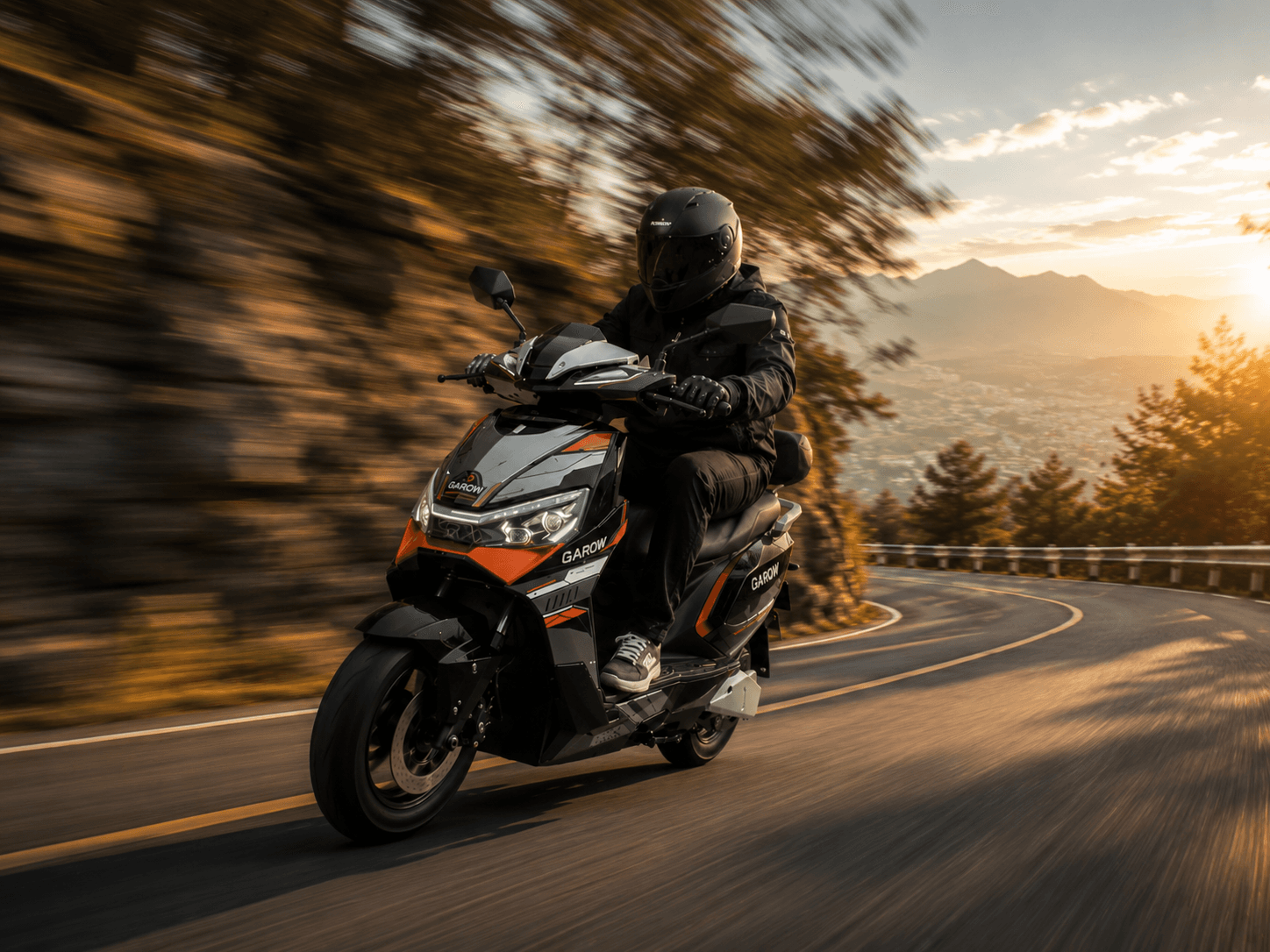
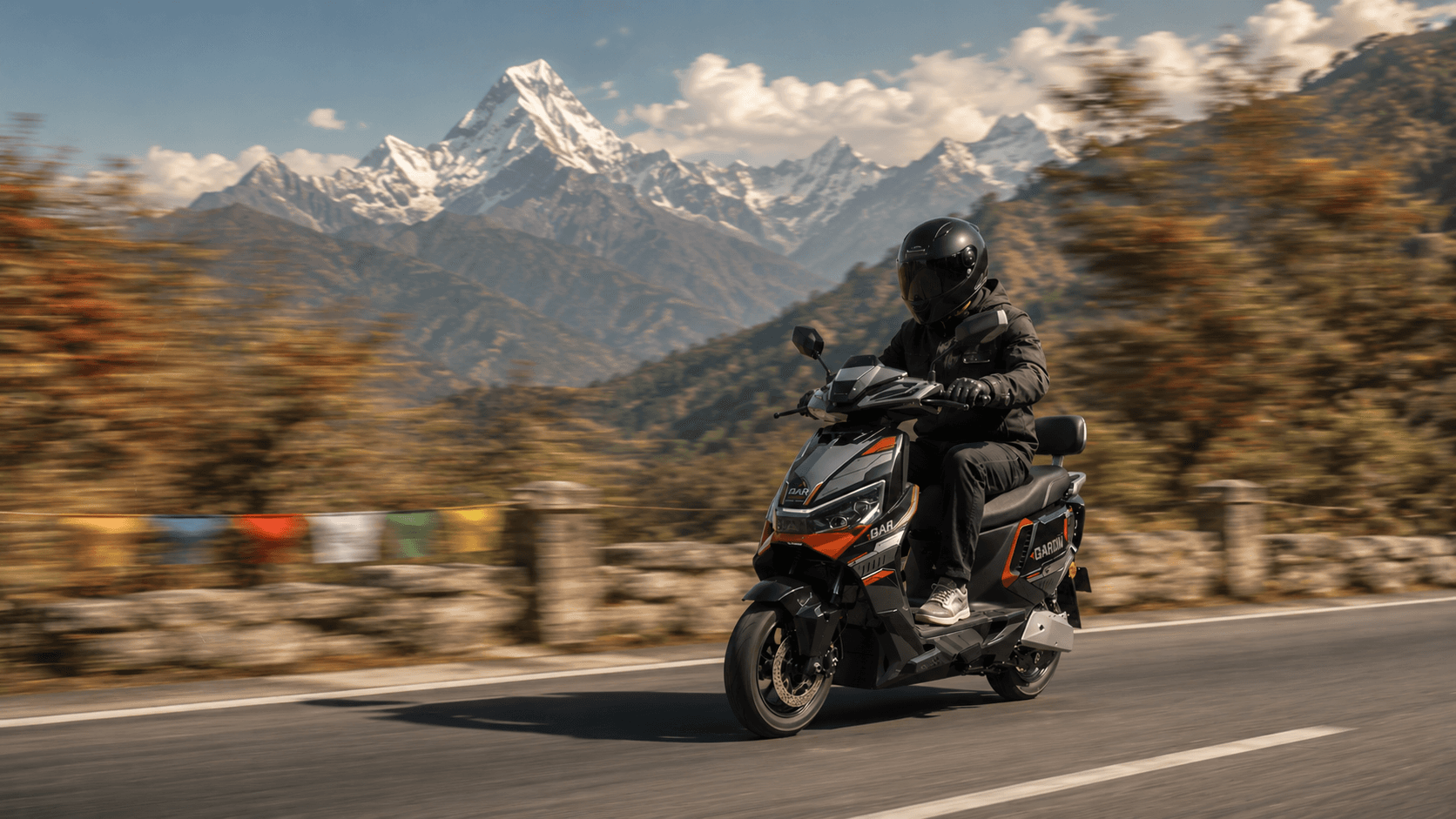
What makes the best electric scooter for Nepal?
The best scooter is the one that fits your real route, charging routine and service expectations. Here is how to compare the choices without getting distracted by a single headline number.
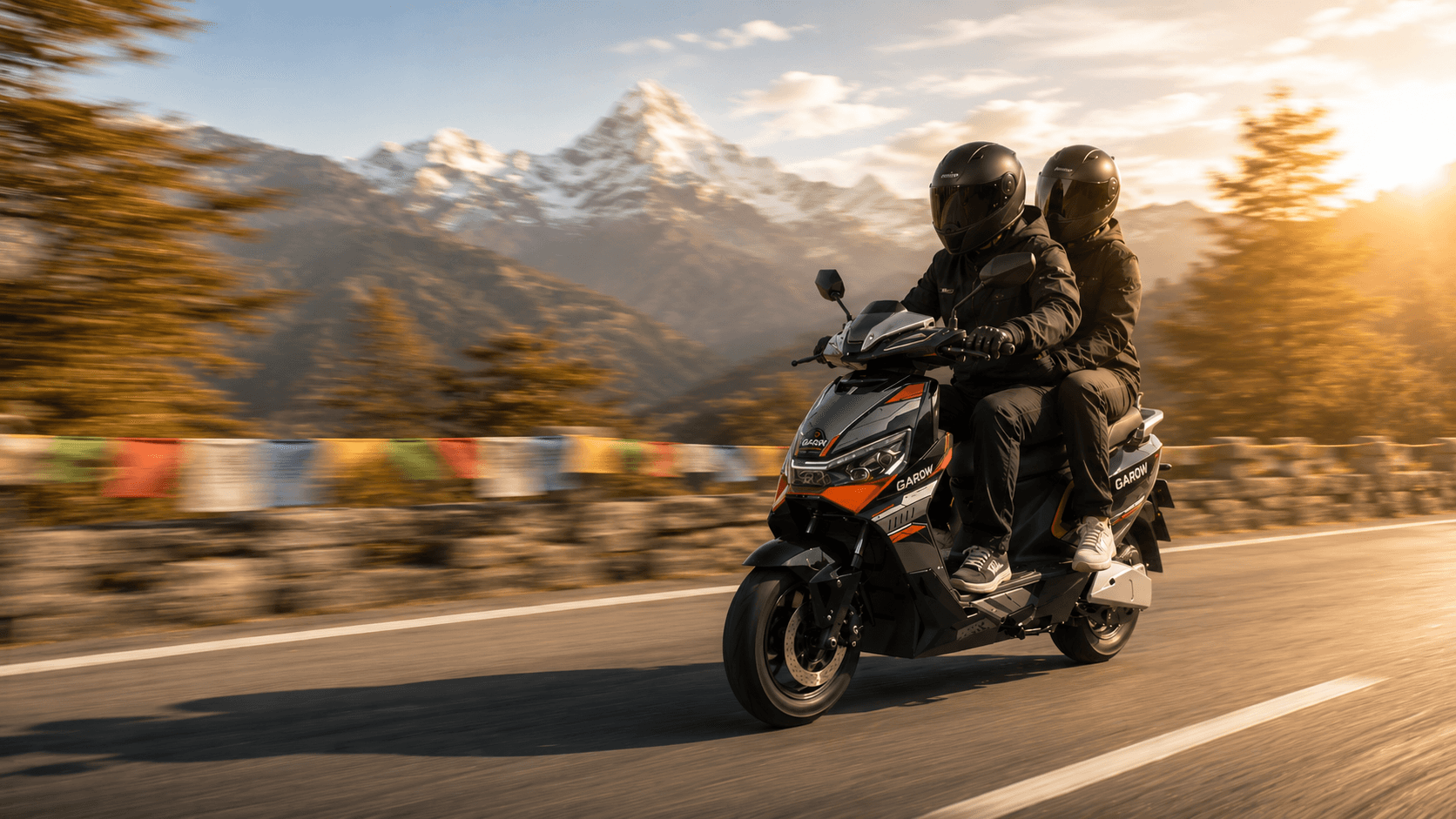
Search for the best electric scooter in Nepal and you will find plenty of confident answers. The useful answer is more personal. A scooter for a 12 km office commute in Lalitpur does not need the same battery as a scooter used for deliveries all day. A rider who can charge at home has a different decision from someone who parks on the street.
Start with your route and routine. Then compare the battery, realistic range, brakes, tyres, comfort and local support. Garow belongs in that comparison because its DT Series covers short city use, lithium city riding and a long-range option rather than forcing every rider into one setup.
Write down your normal day first
Estimate the kilometres you ride on an ordinary day, not the longest trip you can imagine. Add a sensible reserve for detours, traffic and an extra errand. If your usual round trip is 25 km, a scooter with a genuine city-use buffer may be more useful than paying for capacity you rarely use.
Long-distance riders have a different problem: time lost to mid-day charging. Garow publishes an up-to-300 km figure for the JJ2500DT-86, backed by a 72V/110Ah lithium battery in Parimita's product specification. That figure is a maximum claim, not a promise for every road and rider. Speed, hills, passenger load, temperature and tyre pressure all change the result.
Compare the whole scooter, not only range
- Battery chemistry and capacity: lithium batteries are lighter and generally better suited to frequent, longer use; lead-acid can lower the entry cost for shorter city routines.
- Braking: check the actual front and rear setup. The DT-86 uses front and rear disc brakes, while the DT-51 MAX pairs a front disc with a rear drum.
- Motor output: rated power describes sustained output; peak power describes short bursts. Both matter when climbing or carrying a passenger.
- Tyres and suspension: rough patches, speed breakers and broken edges are part of everyday riding in Nepal. A test ride tells you more than a brochure here.
- Service access: ask who handles routine checks, electronics, battery diagnosis and replacement parts before you pay a deposit.
Look for useful features, not a longer feature list
Garow's current specification includes Bluetooth connection, mobile app control, a side-stand sensor, alarm sensor, NFC system and seat sensor. Those features can make daily use easier, but they should support the basics rather than distract from them. During a showroom visit, ask for a demonstration. Check how the scooter starts with NFC, what the app actually shows and how the side-stand safety behavior works.
Make the decision after a test ride
Sit in your normal position, turn at low speed, brake progressively and try a mild incline if the showroom route allows it. Check mirror visibility, seat height, floorboard space and whether the scooter feels stable with your weight. If you often carry a passenger, test that setup too.
There is no honest universal winner. Garow can be a strong choice when range, smart access and a broad model lineup match your use. The final step is still a test ride and a clear conversation about current price, warranty terms, service and delivery.
Quick answers
Common questions
Which Garow scooter has the longest published range?
The JJ2500DT-86 has Garow's longest published range at up to 300 km. Actual range depends on speed, terrain, load, weather, tyre pressure and battery condition.
Is an electric scooter suitable for Kathmandu?
It can be, especially when you can charge reliably and select a scooter with enough reserve for hills, traffic and detours. Test braking, low-speed balance and hill response before buying.