Petrol vs electric scooter costs in Nepal
Electricity is usually the smaller daily bill, but a fair ownership comparison includes purchase price, finance, tyres, service and eventual battery costs.
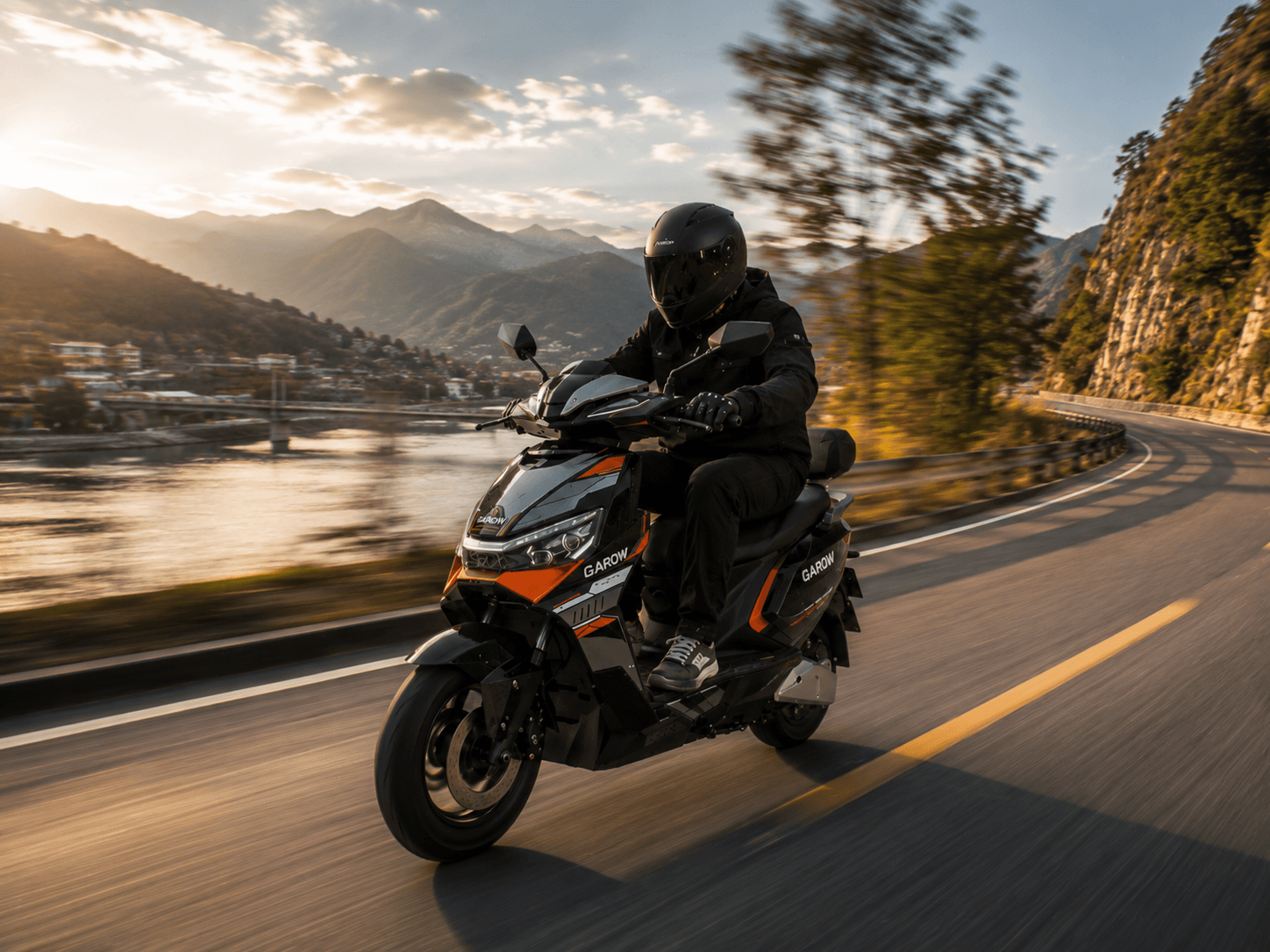
The strongest everyday argument for an electric scooter is simple: charging can cost much less per kilometre than petrol. The complete ownership picture is less simple. A buyer should compare the scooter price, finance, energy, routine service, tyres and the long-term battery plan.
Garow's website includes an adjustable petrol-versus-EV calculator for a quick estimate. Use it as a planning tool, then replace the assumptions with your own distance and current local rates.
Start with cost per kilometre
For a petrol scooter, divide the petrol price per litre by the mileage in kilometres per litre. For an electric scooter, multiply battery energy in kilowatt-hours by the electricity rate, then divide by realistic range. Neither calculation needs a sales pitch; it needs honest inputs.
City traffic, aggressive acceleration and poor maintenance affect both vehicles. Track actual petrol fills or charging consumption for the clearest comparison.
Electric scooters remove some routine engine work
There is no engine oil or spark plug to replace on a battery electric scooter. The drivetrain also has fewer moving parts than a petrol engine and transmission. That can reduce routine workshop work, but the scooter is not maintenance-free.
Brakes, tyres, suspension, bearings, lights and electrical connectors still need inspection. A neglected tyre can erase part of the running-cost advantage and create a safety problem.
Battery replacement belongs in the long-term budget
Every rechargeable battery loses capacity with age and use. Ask for the written battery warranty, expected replacement route and current replacement pricing before purchase. Do not assume today's price will remain unchanged years later, but do confirm that service and diagnosis are available.
Finance can change the comparison
A lower monthly energy bill does not automatically make a loan affordable. Compare the down payment, interest rate, fees and total amount paid. Garow's EMI calculator uses the reducing-balance formula and lets you change rate, tenure and down payment. Final approval and charges come from the finance provider.
When an EV saves the most
Savings grow with regular use. A delivery rider or daily commuter replaces more petrol kilometres than someone who rides only on weekends. Reliable home charging also helps. If you need paid public charging or frequent transport because your range is too short, the calculation changes.
Choose a model that covers your normal route with reserve. The right-sized battery is often a better financial decision than either the smallest or largest available option.
Quick answers
Common questions
Is an electric scooter cheaper to run than a petrol scooter in Nepal?
Electricity usually costs less per kilometre than petrol, and EVs remove some engine service items. Total ownership cost still depends on purchase price, finance, usage, tyres, service and eventual battery replacement.
Are Garow's savings estimates guaranteed?
No. They are planning estimates. Your distance, electricity tariff, petrol price, riding style and maintenance determine the actual result.